Carlos Scola Pliego Biography: Life, Films, Career & Legacy
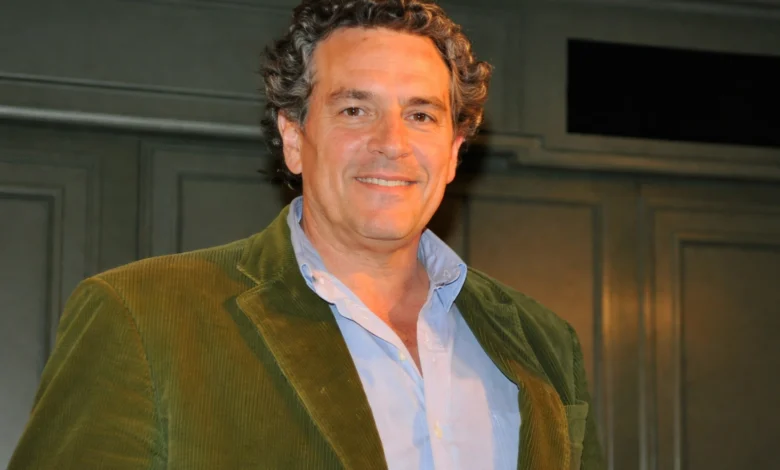
Carlos Scola Pliego is one of those rare figures in cinema whose influence outweighs his public visibility. Known for his visually intense storytelling, association with major international film productions, and a famously private personal life, he occupies a unique space between European art cinema and Hollywood-linked filmmaking. While many recognize him through his marriage to legendary singer Sade Adu, Carlos Scola Pliego’s own professional journey reflects decades of dedication to film, creativity, and artistic restraint. This article explores his life, career, artistic style, and enduring legacy.
Quick Bio
| Personal Detail | Information |
|---|---|
| Full Name | Carlos Scola Pliego |
| Date of Birth | Not publicly disclosed |
| Place of Birth | Spain |
| Nationality | Spanish |
| Ethnicity | European |
| Religion | Not publicly confirmed |
| Profession | Film Director / Filmmaker |
| Years Active | Late 1970s – Early 2000s |
| Known For | Film work in Europe & Hollywood; former husband of Sade Adu |
| Marital Status | Divorced |
| Ex-Wife | Sade Adu |
| Marriage Date | October 11, 1989 |
| Divorce Finalized | 1995 |
| Children | None |
| Current Residence | Private (believed to be Spain) |
| Estimated Net Worth (2025) | Not officially disclosed; public estimates remain unverified |
Early Life and Background
Born in Spain, Carlos Scola Pliego grew up in a cultural environment deeply rooted in European art, history, and visual storytelling. Unlike many contemporary filmmakers who seek early fame, Scola Pliego developed his creative identity quietly. His early interests extended beyond cinema into photography and visual composition, which later became central to his filmmaking language. Details about his childhood, education, and family remain largely private, reflecting his lifelong preference for discretion over publicity.
Entry into the Film Industry
Carlos Scola Pliego began his career in the late 1970s, a period marked by significant international collaboration in cinema. During these formative years, he gained experience by working in and around large-scale productions, often in behind-the-scenes or creative support roles. His involvement with internationally recognized films such as Never Say Never Again, Curse of the Pink Panther, and Eleni provided him with exposure to high-level filmmaking practices, production design, and narrative structure.
These early professional experiences shaped his understanding of cinema as both a technical craft and an emotional medium. Rather than pursuing mainstream recognition, he absorbed these lessons to later apply them within more personal, atmospheric projects.
Notable Film Work and Directorial Career
As his career progressed, Carlos Scola Pliego transitioned toward European and Spanish-language cinema, where he could exercise greater creative control. Films such as Ngira and Donde termina el corazón reflect his preference for introspective narratives and visual storytelling.
His most internationally recognized work arrived in 2002 with the psychological horror film Darkness. The film gained global attention for its moody atmosphere, restrained pacing, and emphasis on psychological fear rather than explicit horror. While critical reception was mixed, Darkness developed a cult following and remains a defining point in his career.
Artistic Style and Creative Vision
Carlos Scola Pliego’s artistic style is unmistakable. His films are characterized by muted color palettes, deliberate pacing, and an emphasis on mood over exposition. Drawing heavily from his background in photography, he uses lighting, framing, and silence as narrative tools. Themes such as fear, isolation, belief, and emotional vulnerability recur throughout his work.
Rather than explaining everything to the audience, he invites viewers to feel and interpret. This approach places him closer to European art-house traditions than commercial Hollywood filmmaking.
Personal Life and Marriage to Sade Adu
Carlos Scola Pliego entered public awareness beyond film circles through his marriage to internationally acclaimed singer Sade Adu. The couple married on October 11, 1989, during the height of Sade’s global success. Their relationship, however, remained largely private, consistent with Scola Pliego’s personality.
The marriage ended in divorce in 1995. The couple did not have children together, and following the separation, Carlos Scola Pliego withdrew further from public attention, focusing on personal life and selective creative pursuits.
Privacy, Later Years, and Public Absence
One of the most defining aspects of Carlos Scola Pliego’s life is his deliberate absence from media and public discourse. Unlike many filmmakers who remain active in interviews and festivals, he chose a path of privacy. Since the early 2000s, he has not been prominently involved in major film releases, leading many to view him as a reclusive yet respected figure within the industry.
His current residence is believed to be in Spain, though this remains unconfirmed. Similarly, claims regarding his net worth vary widely online and lack official verification.
Legacy and Influence
Carlos Scola Pliego’s legacy lies not in volume but in atmosphere and restraint. He represents a generation of filmmakers who valued mood, visual storytelling, and emotional ambiguity. His work continues to be referenced by fans of psychological cinema and European horror, and Darkness remains a notable example of early 2000s atmospheric horror.
His career serves as a reminder that influence in cinema does not always correlate with fame. Sometimes, it resides in quiet impact and artistic integrity.
Conclusion
Carlos Scola Pliego stands as an enigmatic yet influential figure in modern cinema. From his early involvement in international productions to his evolution as a visually driven director, his journey reflects a commitment to artistic expression over public recognition. His private personal life, selective filmography, and distinctive style have only deepened the intrigue surrounding him. While much about him remains intentionally undisclosed, his contributions to film continue to resonate with audiences who appreciate cinema as an emotional and visual art form.
Frequently Asked Questions (FAQs)
Who is Carlos Scola Pliego?
Carlos Scola Pliego is a Spanish film director and filmmaker known for his atmospheric storytelling and for directing the film Darkness (2002).
Is Carlos Scola Pliego married?
No. He is divorced. He was previously married to singer Sade Adu from 1989 to 1995.
What films is Carlos Scola Pliego known for?
He is associated with films such as Never Say Never Again, Curse of the Pink Panther, Eleni, Ngira, Donde termina el corazón, and most notably Darkness.
Does Carlos Scola Pliego have children?
No publicly known children.
Where is Carlos Scola Pliego now?
He maintains a private life and is believed to reside in Spain, though this is not officially confirmed.
What is Carlos Scola Pliego’s net worth?
There is no officially verified information regarding his net worth; online estimates remain speculative.