Bengals vs Minnesota Vikings Match Player Stats: Complete Performance Breakdown
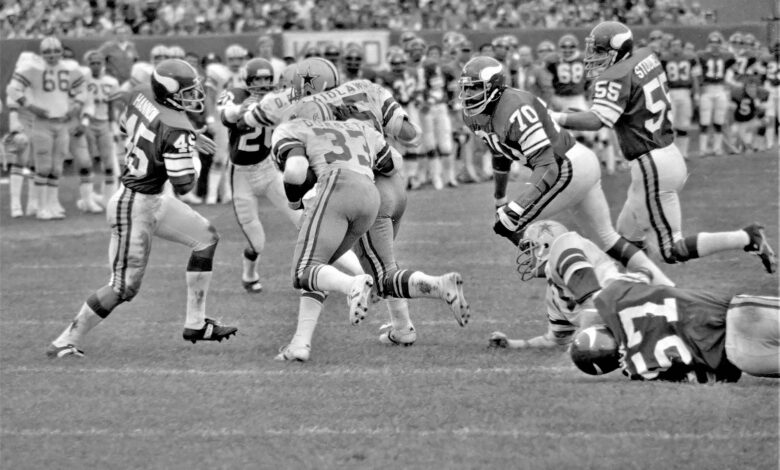
The Bengals vs Minnesota Vikings match player stats provide valuable insight into how both teams performed across offense, defense, and special teams. Whenever these two NFL franchises meet, the matchup delivers intensity, tactical adjustments, and individual brilliance. Analyzing player statistics helps fans, analysts, and bettors understand which performances shaped the outcome of the game.
Below is a detailed breakdown of key player contributions and statistical highlights from a Bengals vs Minnesota Vikings matchup.
Quarterback Performance Comparison
Quarterback play is often the defining factor in any NFL contest. In a Bengals vs Minnesota Vikings clash, both teams typically rely heavily on their starting quarterbacks to drive offensive production.
For the Cincinnati Bengals, the quarterback’s passing efficiency is crucial. Completion percentage, passing yards, touchdowns, and interceptions are the primary indicators of effectiveness. In recent matchups, the Bengals’ QB has demonstrated strong pocket awareness and deep-ball accuracy, often surpassing 250+ passing yards with multiple touchdown passes. Passer rating and third-down conversion success also play a critical role in sustaining drives.
On the Minnesota Vikings’ side, quarterback performance has historically centered on balanced passing and play-action efficiency. The Vikings’ QB often targets mid-range throws and utilizes tight ends and wide receivers effectively in red-zone situations. A stat line featuring over 280 passing yards, 2–3 touchdowns, and limited turnovers usually indicates a strong outing.
Turnovers, particularly interceptions, significantly impact the momentum of the game. Comparing interception counts and quarterback sacks reveals which offensive line offered better protection.
Rushing Attack Analysis
The ground game remains an essential component of both teams’ offensive strategies. Bengals vs Minnesota Vikings match player stats often highlight running backs who generate crucial first downs and control time of possession.
For the Bengals, rushing yard totals typically depend on offensive line performance and gap control. A leading rusher accumulating 80–100 yards with a touchdown can stabilize offensive rhythm. Yards per carry (YPC) is a critical metric—anything above 4.0 YPC indicates efficient rushing production.
Minnesota Vikings running backs are known for explosive runs and breakaway speed. In competitive matchups, a Vikings rusher may record over 90 rushing yards with consistent gains in short-yardage situations. The ability to convert third-and-short scenarios often shifts field position and extends drives.
Total team rushing yards and red-zone rushing efficiency provide a clearer picture of which team controlled the trenches.
Receiving Leaders and Target Distribution
Wide receivers and tight ends play a major role in shaping Bengals vs Minnesota Vikings match player stats. Both teams possess talented pass-catchers capable of stretching the field.
For Cincinnati, the primary wide receiver often leads in receptions and yardage, sometimes surpassing 100 receiving yards in high-scoring games. Reception count, yards after catch (YAC), and touchdown receptions highlight overall impact. Secondary receivers and slot options also contribute by moving chains on crucial downs.
The Minnesota Vikings traditionally rely on elite wide receiver talent. A top receiver may record 7–10 catches for 100+ yards, significantly influencing the passing game. Tight ends contribute in red-zone opportunities, providing mismatch advantages against linebackers.
Target distribution reveals quarterback trust patterns. If one receiver dominates targets, defensive adjustments may focus on limiting that player in subsequent quarters.
Defensive Standouts
Defense often determines close contests. Bengals vs Minnesota Vikings match player stats on the defensive side typically include tackles, sacks, forced fumbles, and interceptions.
For the Bengals defense, pass rush productivity is a key metric. Recording multiple sacks disrupts the Vikings’ offensive rhythm. Linebackers leading in total tackles demonstrate effective run containment and sideline coverage.
The Vikings defense often emphasizes aggressive blitz packages. Defensive ends and edge rushers may register 2+ sacks in high-pressure games. Turnovers generated through interceptions or forced fumbles can immediately alter scoring dynamics.
Third-down defensive efficiency and red-zone stops are crucial metrics when evaluating overall defensive success.
Special Teams Contribution
Although sometimes overlooked, special teams performance impacts field position and scoring opportunities. Field goal accuracy, punt return yards, and kickoff return averages are critical statistical components.
A kicker converting long-range field goals (45+ yards) adds valuable points in tightly contested games. Meanwhile, punt return efficiency can provide short fields for offensive drives.
Key Statistical Summary
When reviewing Bengals vs Minnesota Vikings match player stats, the most influential categories typically include:
-
Total passing yards
-
Rushing yard differential
-
Turnover margin
-
Third-down conversion rate
-
Time of possession
-
Red-zone efficiency
The team that excels in at least three of these statistical areas often emerges victorious.
Conclusion
The Bengals vs Minnesota Vikings match player stats reveal far more than the final score. Quarterback efficiency, rushing production, receiving dominance, defensive pressure, and special teams execution collectively determine the outcome. By examining individual player contributions and team-wide metrics, fans gain a comprehensive understanding of the game’s dynamics.
Whether analyzing for fantasy football, sports betting, or pure fandom, detailed player statistics provide clarity on performance trends and strategic execution. Each Bengals vs Minnesota Vikings matchup adds another chapter to their competitive history, shaped by the numbers that define the game.